Becoming Royal: The Army Educational Corps at War
Sgt Instructor, 1930s
The Army Educational Corps (AEC) was formed in 1920. The initial wartime role of the AEC was to boost morale, while in peacetime instructors were involved in training and preliminary education. Abroad, the AEC developed education in the Indian Army, specifically in running training courses for Indian educators and creating language training courses and ...
Sport in the AGC
Sport has played an incredibly important role in the day-to-day lives of those serving in the army for centuries. Starting as informal matches arranged within individual corps and regiments, and expanding into the more professional organisation of teams and tournaments that are more recognisable today, sports in the army has a rich history that deserves to ...
The AGC and Its Antecedents Around the World
This exhibition highlights the wide reach of the AGC in operations outside of the British Isles. As the Administrative Corps of the Army, it and its antecedents had a presence in every theatre of war and operation, dating from the 1660s to the modern day.
As part of Europe, Britain has always been involved with affairs on ...
Education and Activities: An Archive Collection Spotlight
Collection Spotlight: Education and Activities
This set of photographs make up a collection spotlight themed around education and the social life of children, soldiers, officers, and lieutenants in the army, such as their education and the activities they undertook when not in combat. These photographs have been chosen to showcase the extent of the activities in the ...
The Post War Army 1945-1960
Most of the histories talk about the Second World War as the last war fought by the British before the Falklands War in 1982; however, this forgets conflicts fought by the British Army who fought around the world as part of the Cold War. This exhibition looks at how the antecedents of the AGC contributed and ...
A Day in the Life of a Work Experience Student at the AGC Museum
On Monday morning, I started off by touring the AGC Museum alongside the Gurkha Museum. Both of these museums were very interesting and full of artefacts and stories as well as key events and people. In the afternoon, I watched as the museum’s staff led a school trip who visited the Royal Green Jackets Museum, the ...
Archive Spotlight – Records of Service
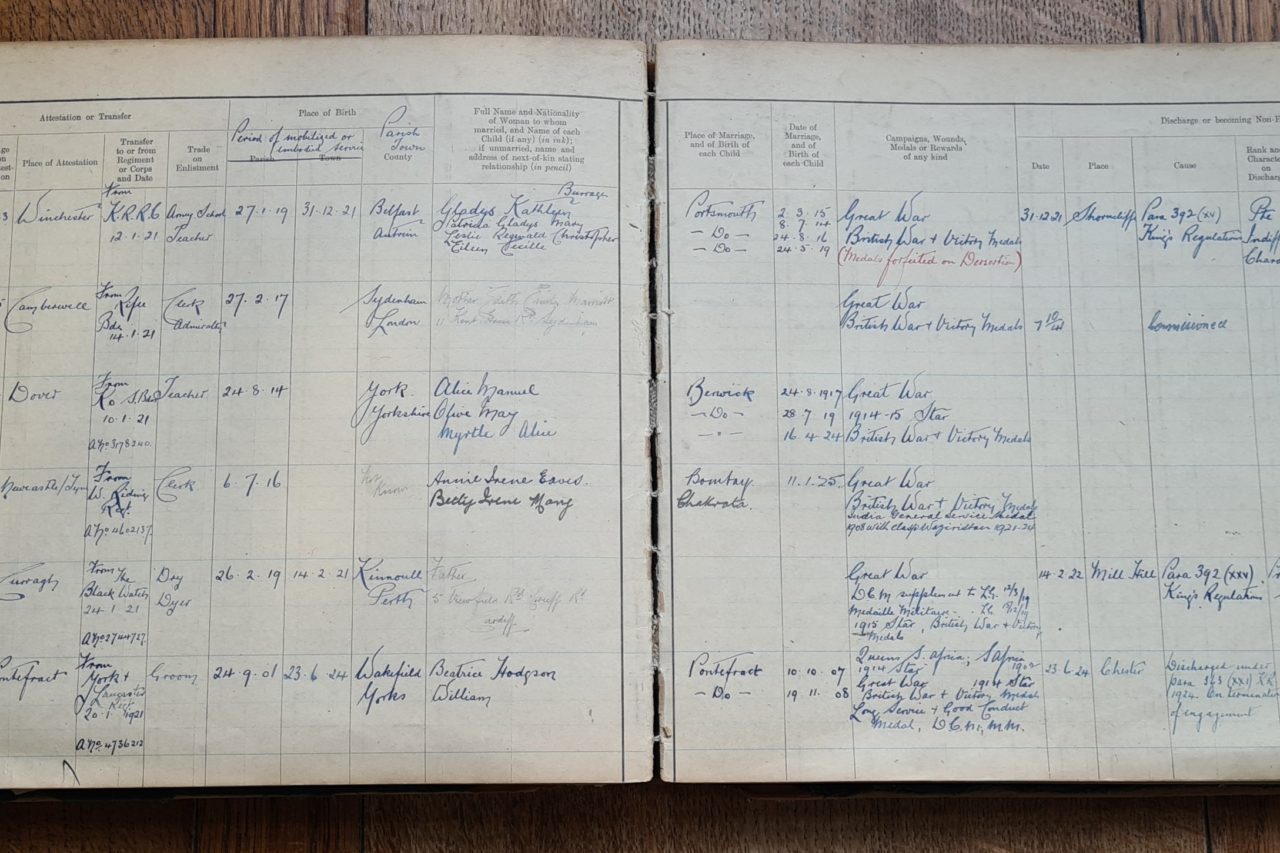
Records of Service, as their name states, record the service of all personnel serving in a corps or regiment during specific time periods. These documents are incredibly important in tracing the individual histories of service personnel and often used by the Museum when fulfilling research enquiries.
The Museum Archive holds numerous Records of Service, though most prominently ...
D-Day with the AGC’s Antecedents
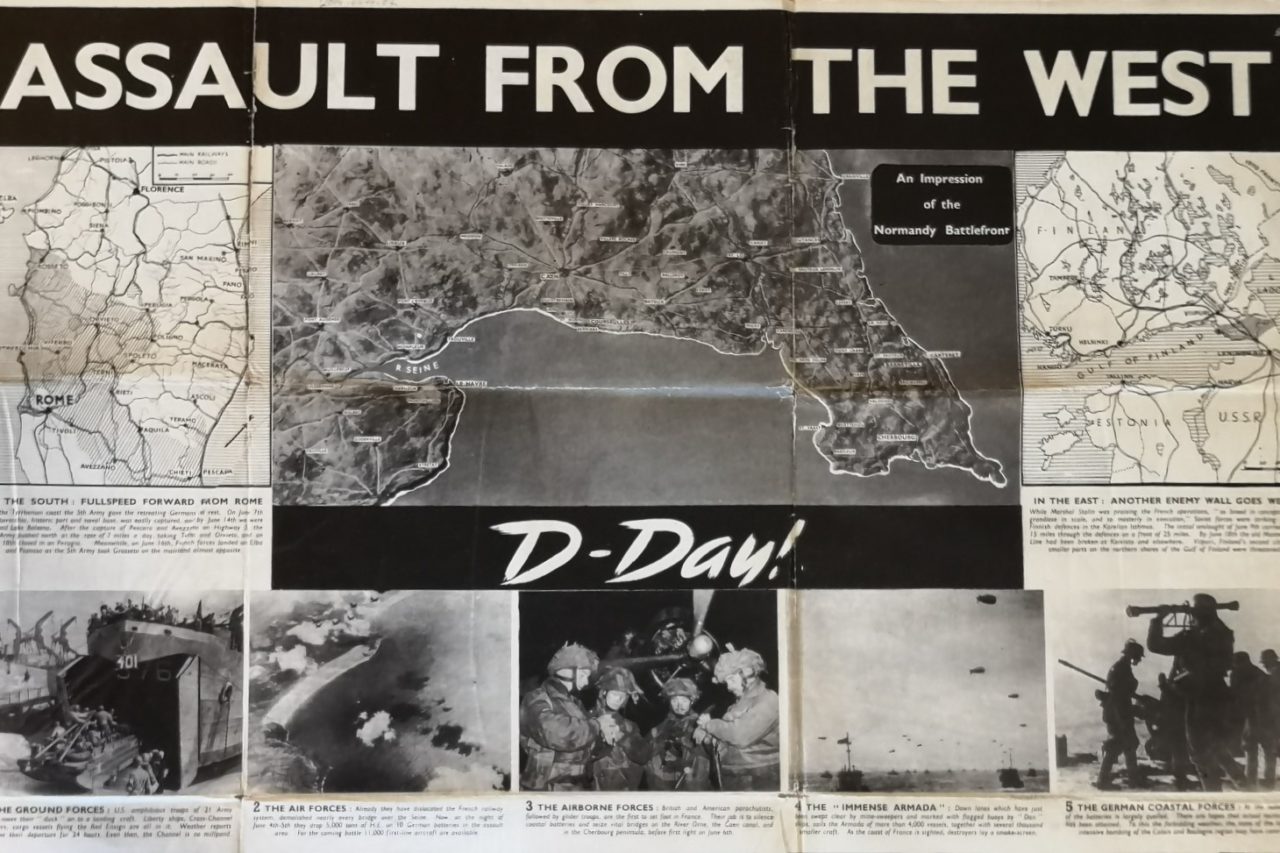
ABCA sheet with images and information for soldiers regarding why they were fighting.
6th June marks the anniversary of D-Day and the start of the fight to liberate Western Europe during the Second World War. The invasion and subsequent campaign meant the mobilisation of thousands of British, Commonwealth and American troops in the weeks preceding the event ...
Boer War Temporary Exhibition
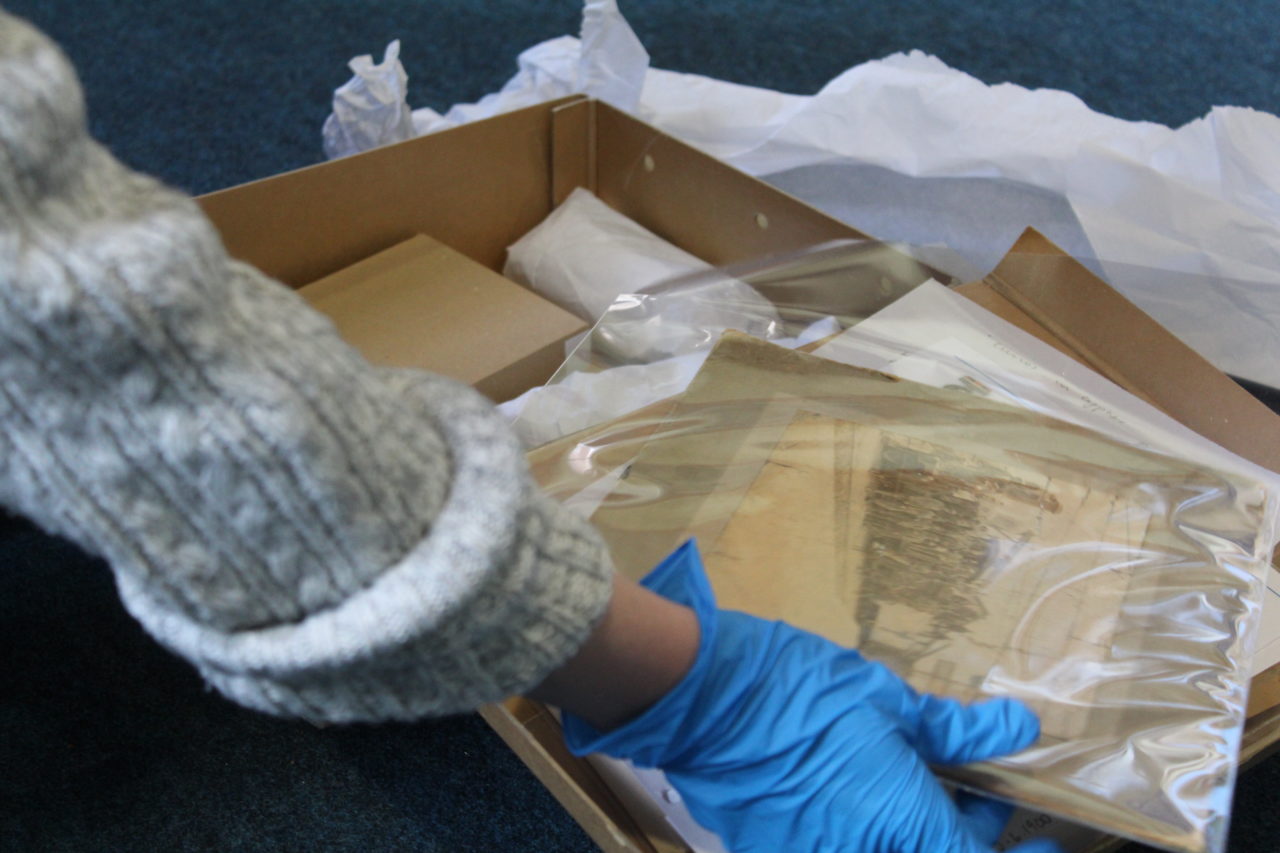
The AGC’s new temporary exhibit on items from the Second Boer War gives a glimpse in to the life of an Army Pay Corps soldier and his service during the conflict. It has led to discussion of the Second Boer War as a wider conflict, the Pay system in this period and the soldier, Staff Quartermaster ...
“Les Tommettes”- Army Women of the First World War
In 1917, women in uniform were not necessarily a radical, new idea. In 1907 the First Aid Nursing Yeomanry (FANY) and the Voluntary Aid Detachment (VAD) were formed. By 1915 women were taking over more ‘men’s work’. However, the idea of women in the Army-other than as nurses or cooks from the Women’s Legion- were not ...